
Ecological Monitoring
Advanced Ecological Monitoring for Regulatory Compliance
Environmental compliance across diverse ecosystems becomes complex and costly when traditional monitoring approaches miss critical species or fail to meet evolving regulatory expectations, leading to permit delays and stakeholder scrutiny.
As experienced scientists in advanced ecological assessment, we bring cutting-edge and proven methods directly to your compliance challenges, delivering more efficient and better data that strengthens permit applications and reduces project risk.
Deploying advanced monitoring technology for comprehensive ecosystem assessment
Ecological Monitoring Experts
Damian V. Preziosi Managing Principal, Strategic Initiatives Director
Grace Chang, Ph.D. Senior Science Advisor, Director of Research and Development
Kaustubha Raghukumar, Ph.D. Senior Consultant
Daniel Doolittle Principal, Offshore Wind
Matt Wacker, MCP Principal
Sharon Kramer, Ph.D. Senior Consulting Ecologist
Kate Drake Consulting Ecologist
Technology Showcase
Gather the directional acoustic data you need to identify risks in underwater sound.
Rapidly map broad areas of the seafloor.
Improve how water quality is monitored at aquatic sites.
Knowledge Share
OPTICS Study on Mercury Releases to South River
CalWave, San Diego
Wetland Monitoring Supports Ecological Recovery Under EPA Supervision
Mapping of Benthic Habitats at Marine Renewable Energy Sites Using Multibeam Echosounder and Sediment Profile Imaging Technologies
SEABIRD: System for Environmental Assessment of Bird/Bat Interactions with Real-Time Detection
Performance Characteristics of the NoiseSpotter: An Acoustic Monitoring and Localization System
EMF Risks from Offshore Wind: A Complete Understanding
Innovative Use of Multispectral Multibeam Surveying for Characterizing Benthic Conditions at the Raisin River Area of Concern
Sediment Characterization and Monitoring in the Modern Age: The Cool Tools
Advanced Monitoring Capabilities for Complex Ecosystems
Our approach combines traditional field methods with innovative tools like eDNA sampling, underwater acoustics, advanced radar systems and AI-driven habitat mapping to deliver more accurate results in less time.
Key Capabilities:
- Faster and more complete species detection using eDNA and terrestrial acoustics technologies versus traditional survey methods
- Real-time underwater acoustic monitoring of sound pressure and particle motion to delineate sound from biological and human-generated sources
- Advanced radar systems technologies to minimize project-related impacts in response to bird and bat movements
- Integrated multihabitat assessments spanning terrestrial, freshwater, and marine environments
- Advanced statistical modeling that reduces sampling uncertainty and strengthens regulatory submissions

Acoustics
Clear answers on underwater acoustics to monitor and characterize sound and mitigate noise effects on marine life.
Environmental Impact Assessments
Your development projects require comprehensive biological baseline data that satisfies multiple regulatory agencies. We design targeted monitoring programs that capture essential fish habitat, special-status species, and ecosystem function data in formats that streamline permitting processes.
Specialized Services:
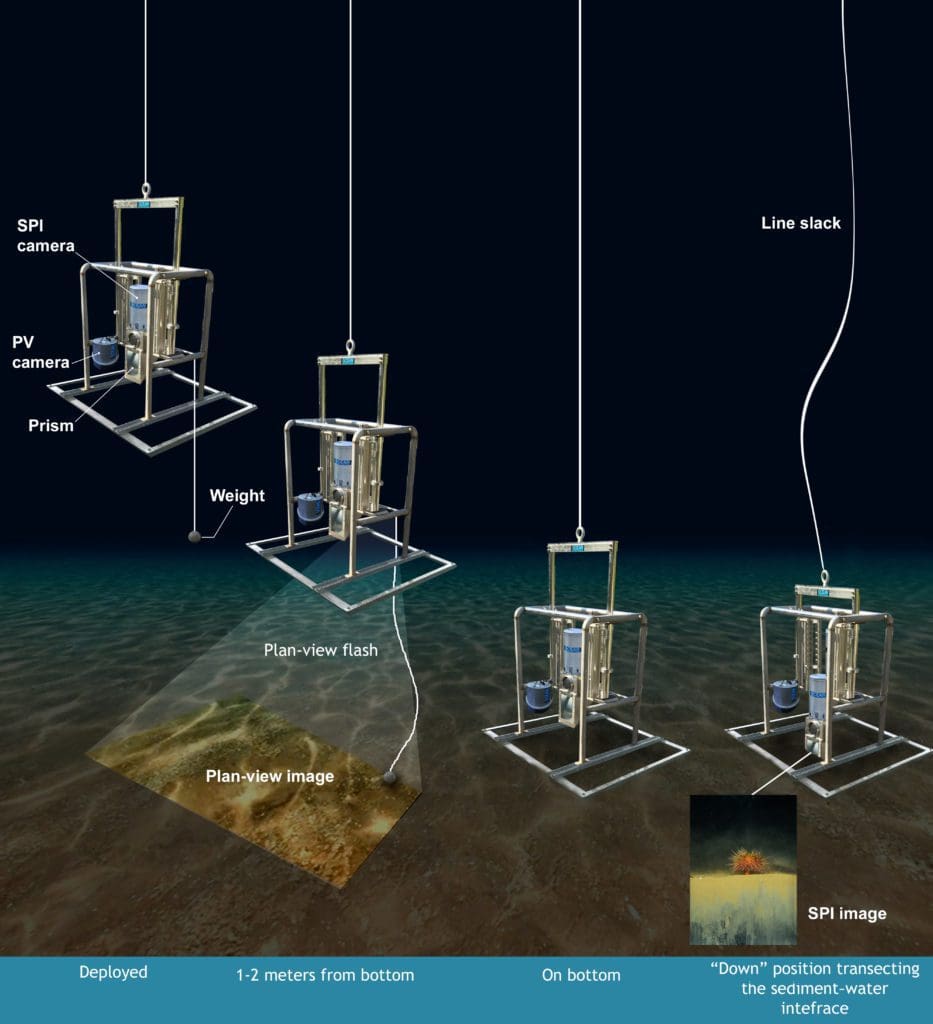
- BOEM and NOAA-compliant offshore wind baseline surveys using sediment profile and plan view imaging (SPI-PV)
- Multispecies protocol surveys for endangered species consultations
- Wetland delineation and rapid assessment using California-approved methodologies
- Preconstruction and construction monitoring that prevents project delays
Investigation and Cleanup of Contaminated Sites and Other Releases
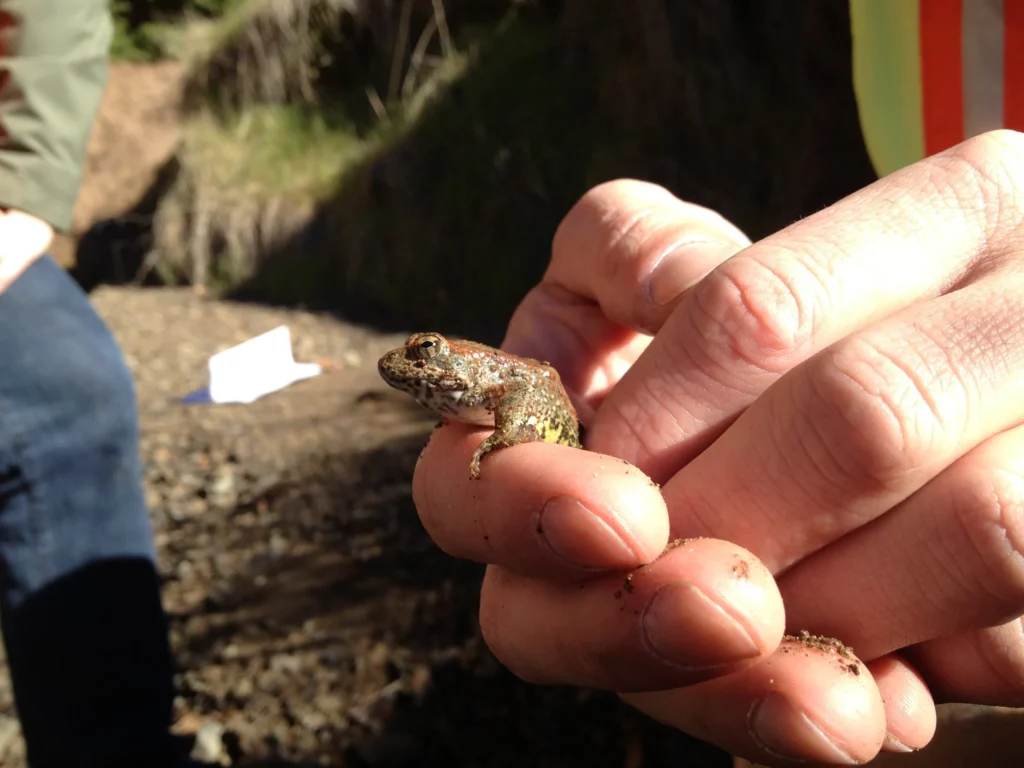
Legacy contamination and unintended releases require direct ecological monitoring that accounts for both site-specific impacts and regional baseline conditions. We design monitoring programs that measure direct effects on special-status species while also tracking broader ecological services like biodiversity and productivity, providing the complete picture needed for cleanup decisions and future mitigation strategies.
Site Assessment Capabilities:
- Baseline ecological condition assessments that distinguish site impacts from regional variation
- Multispecies monitoring programs for legacy chemical contaminants and acute spill responses
- Ecosystem service evaluations measuring biodiversity, productivity, and habitat function
- Long-term monitoring frameworks that support adaptive cleanup strategies and mitigation planning
Marine Monitoring
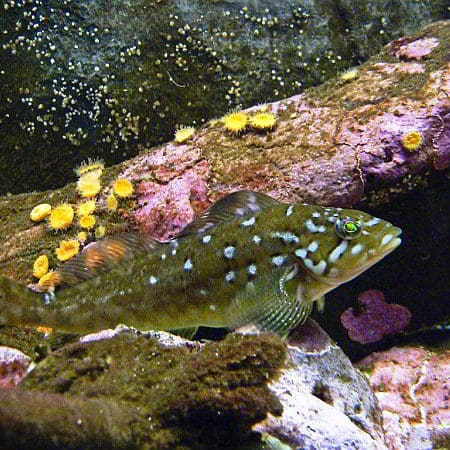
Offshore development faces unique challenges in characterizing benthic habitats and marine communities. Our sediment profile imaging and underwater acoustic capabilities provide detailed seafloor assessments that inform burial feasibility, habitat mapping, and fisheries impact evaluations.
Marine Expertise:
- High-resolution seafloor characterization using SPI-PV technology for cable routing and installation planning
- Essential fish habitat mapping that meets NMFS technical guidelines
- Fisheries monitoring programs designed with ecosystem-based management principles
- Long-term benthic community tracking that supports adaptive management decisions

Fisheries Monitoring
Complex fisheries assessments require sophisticated sampling designs and statistical methods that capture population dynamics and ecosystem interactions. We develop customized monitoring programs using ecosystem-based management principles that provide the data quality needed for sound fisheries management decisions.
Fisheries Expertise:
- Before-after-control-impact (BACI) study designs with gradient-based sampling that detect project impacts on fish populations
- Multigear sampling approaches including trawl, dredge, acoustic surveys, and eDNA methods
- Statistical modeling using multivariate and nonparametric methods for robust population assessments
- Fisheries-independent surveys designed to complement existing regional data sets
Restoration Monitoring
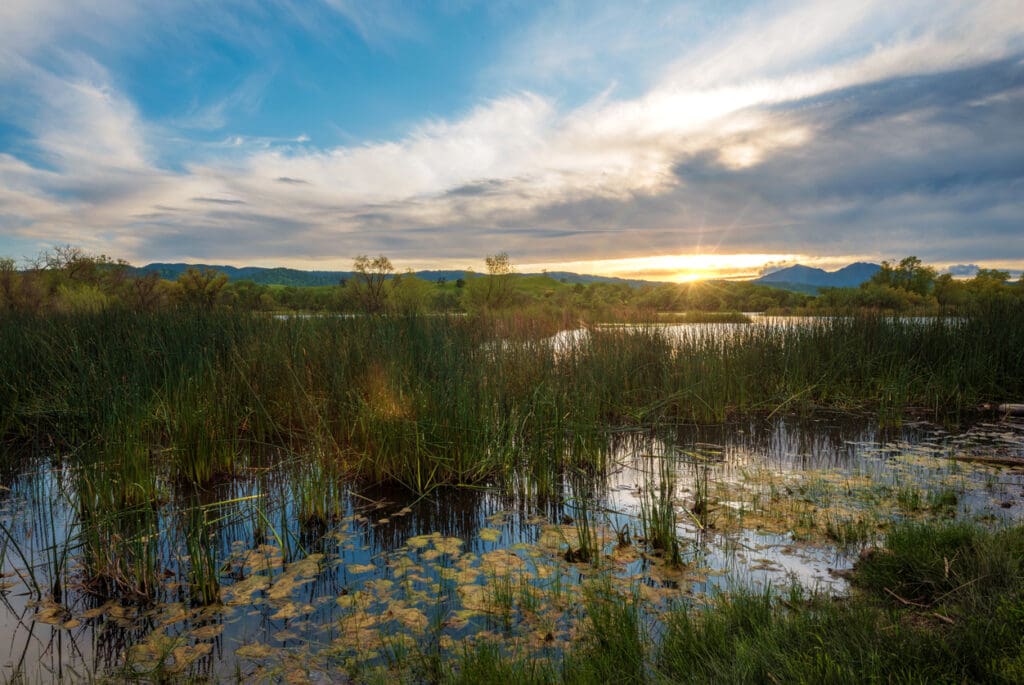
Successful restoration requires monitoring programs that demonstrate ecological performance and regulatory compliance over time. We develop adaptive monitoring frameworks that track restoration success while identifying course corrections early in the process.
Restoration Capabilities:
- BACI study designs that isolate restoration effects
- Multiyear monitoring programs with statistical power to detect meaningful change
- Integrated biological and physical monitoring that captures ecosystem function
- Reporting formats that satisfy mitigation banking and habitat credit requirements
FAQs
Advanced technologies like eDNA and terrestrial and underwater acoustics provide superior detection rates and reduce field effort and disturbances when you’re working in challenging environments, need to detect rare species, or require continuous monitoring. We recommend these approaches when traditional methods would be prohibitively expensive or technically challenging.
We design integrated monitoring programs that seamlessly transition between terrestrial, freshwater, and marine environments using standardized protocols. This unified approach ensures consistent data quality while reducing coordination complexity and project management overhead.